
Discover the Volcanic Wonders, Stunning Beaches, and Rich Island Culture of Korea’s Premier Getaway
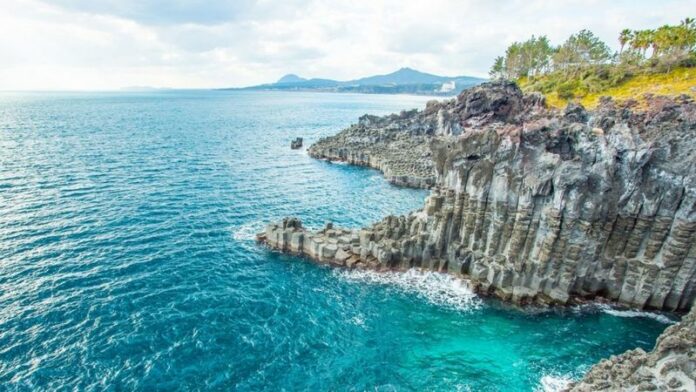
Located off the southern coast of the Korean Peninsula, Jeju Island (제주도) is South Korea’s largest island and premier holiday destination. Famous for its dramatic volcanic landscapes, turquoise waters, lush green forests, and unique local traditions, this tropical gem is often called the “Hawaii of South Korea” and is a beloved vacation spot for domestic and international travelers alike.
History & Historical Importance
Jeju Island was formed millions of years ago through volcanic eruptions, giving rise to its central landmark, Hallasan Mountain—a dormant volcano that stands as South Korea’s highest peak (1,947 meters). Historically isolated from the mainland, Jeju developed a distinct kingdom called Tamna before being officially absorbed into Korea during the Goryeo Dynasty in the 12th century.
Because of its geography and harsh winds, island life was historically tough, leading to unique cultural developments. Today, Jeju Island holds a prestigious UNESCO Triple Crown status, recognized as a World Natural Heritage site, Global Geopark, and Biosphere Reserve due to its exceptionally preserved volcanic features and biodiversity.
What to See on Jeju Island
- Seongsan Ilchulbong (Sunrise Peak): An iconic, crown-like tuff cone formed by hydrovolcanic eruptions, offering breathtaking sunrise views over the ocean.
- Hallasan National Park: Home to South Korea’s highest peak, featuring scenic hiking trails, a crater lake (Baengnokdam), and diverse plant species.
- Manjanggul Lava Tube: One of the finest and longest lava tunnels in the world, filled with massive stalactites and impressive lava columns.
- Hyeopjae & Hamdeok Beaches: Picture-perfect beaches famous for their powder-white sand, emerald-clear waters, and black basalt rock shores.
- Jeju Stone Park: An expansive park dedicated to the island’s unique stone culture, including the famous Dol Hareubang (grandfather stone statues) carved from porous basalt.
The Visitor Experience
Exploring Jeju is an outdoor lover’s dream. Travelers can hike along the famous Jeju Olle Trail, a network of coastal walking paths that wind through quaint fishing villages, orange orchards, and coastal cliffs.
A central highlight of visiting Jeju is encountering the Haenyeo—the legendary female free-divers who harvest seafood directly from the ocean floor without diving equipment, holding their breath for minutes at a time. Visitors can watch live diving demonstrations or enjoy fresh seafood caught daily by these extraordinary women.
📍 Virtual Tour: Experience the breathtaking volcanic coastline via Google Maps View of Seongsan Sunrise Peak on Jeju Island.
Cultural Significance
Jeju Island holds a deeply unique place in Korean cultural heritage. Its matriarchal Haenyeo culture was officially recognized as a UNESCO Intangible Cultural Heritage of Humanity. Additionally, the island’s folklore is rich with myths, shamanic traditions, and unique symbols—such as the protective Dol Hareubang stone statues placed outside village entrances. Jeju represents a tranquil, natural sanctuary that balances ancient island traditions with world-class eco-tourism.
What Do You Think?
Would you challenge yourself to hike up Hallasan Mountain, or would you prefer relaxing on the white sand beaches and trying fresh seafood harvested by the Haenyeo?
Drop a comment down below and let us know your ideal Jeju Island itinerary! We’d love to hear from you!