
Gamcheon Culture Village (감천문화마을): Busan’s Vibrant Hillside Haven
Explore the History, Whimsical Art, and Panoramic Views of Korea’s “Machu Picchu of Busan”
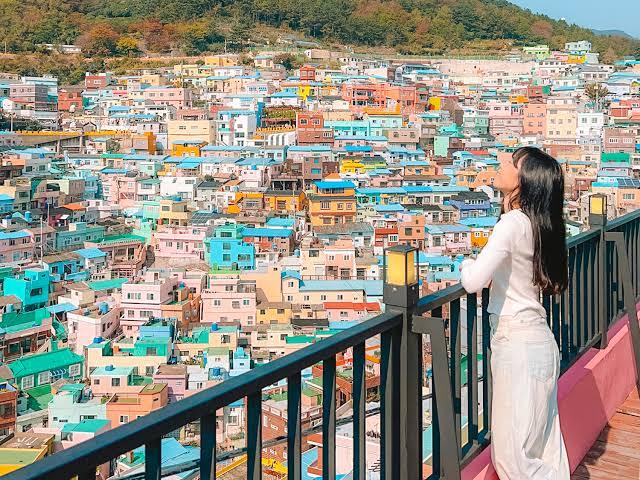
Perched dramatically on the coastal mountainsides of Busan, Gamcheon Culture Village (감천문화마을) is a breathtaking maze of pastel-colored houses, winding alleyways, vivid murals, and outdoor art installations. Often called the “Machu Picchu of Busan” or “Korea’s Santorini,” this photogenic neighborhood cascading down the hill toward the sea offers one of the most unique and colorful urban landscapes in South Korea.
History & Historical Importance
Gamcheon’s origins tell a poignant story of resilience. Originally a quiet hillside settlement, the village saw a massive influx of refugees during the Korean War in the early 1950s. Displaced families built makeshift wooden shanty houses stacked in a staircase-like arrangement along the steep terrain so that no house blocked the view or sunlight of the one behind it.
For decades, Gamcheon remained one of the poorest and most isolated working-class neighborhoods in Busan. However, in 2009, the local government and artists launched the “Dreaming of Busan Machu Picchu” urban renewal project. Instead of demolishing the area, painters, sculptors, and local residents transformed the entire neighborhood into a living, open-air art gallery by painting homes in bright pastel hues and filling the alleys with creative public art.
What to See in Gamcheon Culture Village
- The Little Prince and the Desert Fox Statue: The village’s most famous icon—a statue of the Little Prince sitting on a ledge overlooking the pastel rooftops and the harbor.
- Vibrant Street Murals & Sculptures: Over 200 public artworks hidden in every corner, including the famous “Fish-Scale” mosaic staircase and painted book-step stairs.
- Main Terrace Viewpoint: Located near the entrance, offering the classic panoramic postcard view of terraced houses tumbling down the valley.
- Art Galleries & Craft Workshops: Former abandoned homes converted into small museums, ceramic studios, and local souvenir shops run by residents.
- Rooftop Cafes: Charming local coffee spots offering panoramic outdoor terraces overlooking the village, city, and sea.
The Visitor Experience
Exploring Gamcheon is a fun, labyrinth-like adventure. Visitors can purchase a stamp-trail map at the tourist information center, which turns a walk through the steep alleys into an interactive treasure hunt with stops at major art installations and viewpoints.
As you navigate the narrow stairways, you’ll encounter cozy local cafes, street food vendors selling local snacks like ssiat hotteok (seed-filled sweet pancakes), and friendly local cats sunbathing on rooftops. Because Gamcheon remains an active residential neighborhood home to elderly citizens, visitors are asked to observe “quiet tourism” by keeping voices low and respecting private homes.
📍 Virtual Tour: Walk through the vibrant pastel alleys right now via Google Street View of Gamcheon Culture Village.
Cultural Significance
Gamcheon Culture Village is a shining global model for community-led urban regeneration. Rather than erasing a poverty-stricken past through modern redevelopment, Busan preserved the village’s historic layout and wartime history, using art to breathe new life and economic vitality into the community. Gamcheon stands as a powerful symbol of hope, creativity, and the enduring human spirit.
What Do You Think?
Would you follow the stamp-trail map to discover all the hidden murals, or wait in line for the iconic photo next to the Little Prince statue overlooking the sea?