
Explore the History, Key Elements, and K-Pop Influences Driving Korea’s Urban Style Scene
When walking down the vibrant avenues of Seoul, it becomes immediately clear that street fashion isn’t just a trend—it’s a cultural phenomenon. Korean Streetwear (K-Streetwear) has evolved into one of the most prominent, expressive styles among the younger generation, capturing international attention for its effortless blend of high fashion, underground subcultures, and edgy urban comfort.
The Aesthetics: Key Characteristics
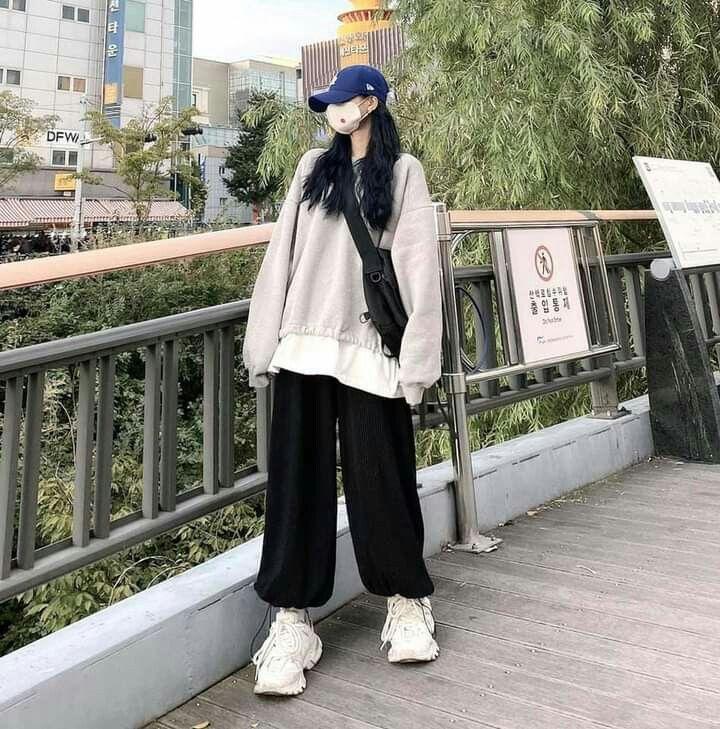
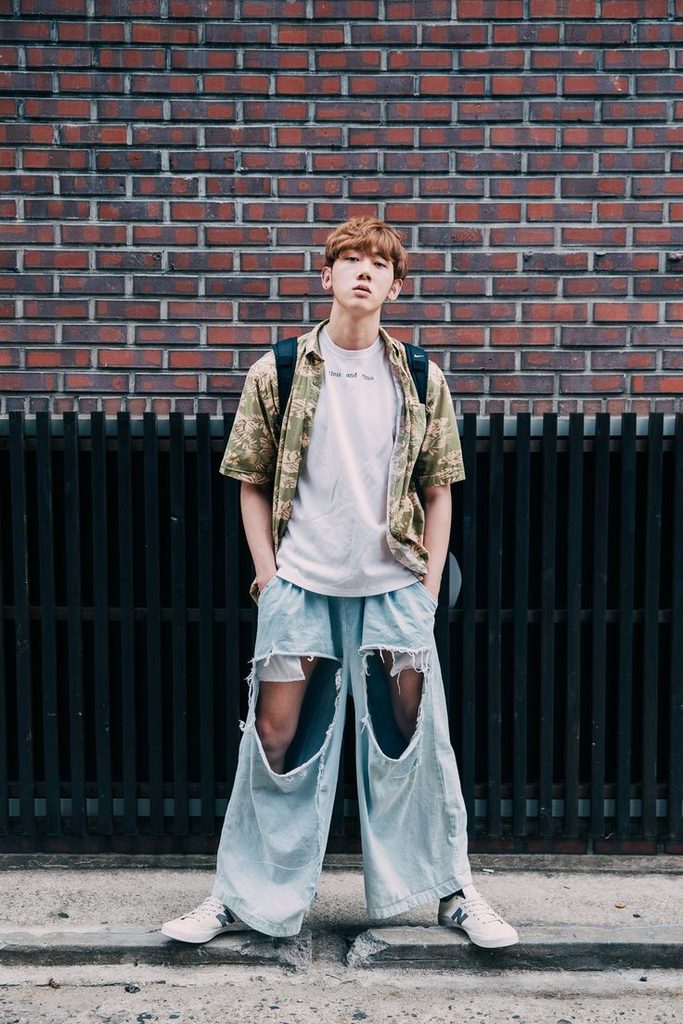
Korean streetwear is defined by bold silhouettes, clever layering, and relaxed structural fits that prioritize both comfort and individuality:
- Oversized Tops & Hoodies: Extra-large graphic tees, heavyweight drop-shoulder hoodies, and longline sweatshirts designed to create a relaxed, boxy frame.
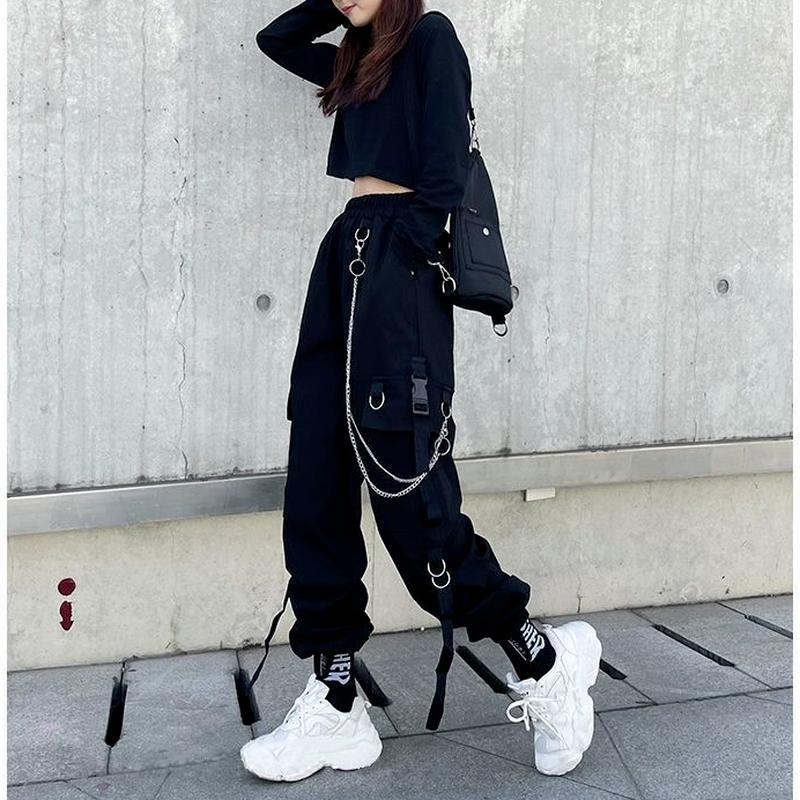
- Wide-Leg & Cargo Pants: Baggy trousers, wide-cut denim, multi-pocket cargo pants, and utility joggers that flow loosely over footwear.
- Statement Sneakers: Chunky “dad shoes,” limited-edition high-tops, and classic skate sneakers that serve as the focal anchor of the entire outfit.
- Headwear & Accessories: Signature bucket hats, slouchy beanies, curved-brim baseball caps, crossbody utility bags, and layered silver chains.
Demographics & Hotspots: Who Wears It and Where to Find It
Korean Streetwear is most popular among teenagers, university students, and young adults aged 16 to 28.
While urban streetwear elements can be spotted across South Korea, the absolute epicenters of this fashion movement are concentrated in specific neighborhoods in Seoul:
- Hongdae (Hongik University Area): The beating heart of youth indie culture, street art, and indie fashion boutiques, where fashion-forward students showcase raw street style.
- Seongsu-dong: Known as the “Brooklyn of Seoul,” filled with renovated industrial warehouses turned into trendy concept stores and streetwear flagship brands.
- Myeongdong & Gangnam: Commercial hubs featuring flagship locations for prominent local streetwear labels like Ader Error, Covernat, thisisneverthat, and LMC (Lost Management Cities).
Culture & Influences: K-Pop, Hip-Hop, and Beyond
The visual DNA of K-Streetwear is heavily rooted in two major cultural pillars:
- Korean Hip-Hop (K-Hip-Hop) & Street Culture: Shows like Show Me The Money brought underground hip-hop aesthetics into mainstream Korean youth culture. Elements of skateboarding, graffiti art, and 90s American hip-hop were adapted and refined with a distinctly sleek, minimalist Korean touch.
- K-Pop Idol Culture: World-famous K-Pop groups (such as BTS, Stray Kids, BLACKPINK, and NewJeans) frequently sport oversized streetwear for airport fashion, dance practice videos, and music videos. Idol fashion stylists regularly blend global luxury street brands (like Off-White or Supreme) with emerging local Korean designers, instantly catapulting those looks into global viral trends.
What Do You Think?
Do you prefer the relaxed, baggy silhouette of Korean Streetwear, or do you lean toward more tailored fashion? Who is your favorite K-Pop idol when it comes to street fashion inspiration?
Drop a comment down below and share your favorite streetwear pieces with our community!