
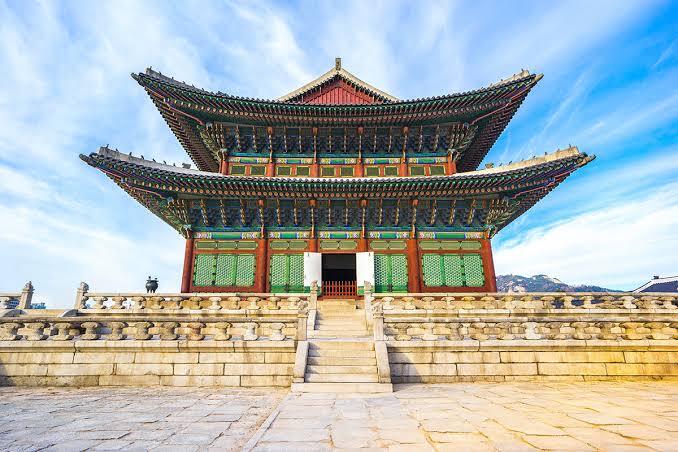
Discover the Majestic Heart of Joseon Dynasty History and Culture in Downtown Seoul
Gyeongbokgung Palace (경복궁) stands as the largest and most grand of the Five Grand Palaces built during the Joseon Dynasty. Located at the northern end of Seoul’s bustling main boulevard, this breathtaking palace complex serves as a striking symbol of Korean royal heritage, perfectly framed by the majestic Mount Bugak in the background.
History & Historical Importance
Originally constructed in 1395 by King Taejo, the founder of the Joseon Dynasty, Gyeongbokgung was the primary royal residence and the seat of government. Its name translates to “Palace Greatly Blessed by Heaven.”
Throughout its long history, the palace faced immense hardship. It was destroyed by fire during the Japanese invasions in the late 16th century and left abandoned for nearly 300 years. In the 1860s, it was grandly restored, only to be systematically dismantled again during the Japanese colonial rule in the early 20th century. Today, extensive restoration efforts by the South Korean government have brought back much of its original splendor and architectural majesty.
What to See inside the Grounds
- Gwanghwamun Gate (광화문): The iconic main gate of the palace featuring three arched portals and a grand two-story pavilion.
- Geunjeongjeon Hall (근정전): The primary throne hall where kings held official audiences, crowned monarchs, and greeted foreign envoys.
- Gyeonghoeru Pavilion (경회루): A stunning two-story wooden pavilion resting peacefully on a lotus pond, historically used for royal banquets and celebrations.
- Hyangwonjeong Pavilion (향원정): A picturesque hexagonal pavilion situated on a small island in a pond at the quieter, northern end of the grounds.
- National Folk Museum of Korea: Located right within the palace grounds, offering deep insights into the historical everyday lives of the Korean people.
The Visitor Experience
Walking through the gates of Gyeongbokgung feels like stepping directly onto the set of a historical K-drama. Visitors can witness the famous Changing of the Royal Guard Ceremony, which takes place at the main gate twice daily with traditional costumes, weapons, and musical instruments.
A popular highlight for travelers is renting a traditional Korean Hanbok from nearby shops. Visitors wearing a Hanbok receive free admission to the palace, making it a favorite spot for capturing memorable, scenic photos against the colorful wooden architecture.
📍 Virtual Tour: You can explore the royal courtyard virtually right now via Google Street View of Gyeongbokgung Palace.
Cultural Significance
Gyeongbokgung Palace represents the architectural and ideological apex of the Joseon Dynasty, built strictly according to Neo-Confucian principles of balance, symmetry, and harmony with nature. It stands as a proud testament to Korean resilience, illustrating how the nation has preserved its rich cultural identity and architectural soul in the center of one of the world’s most modern, high-tech capital cities.
What Do You Think?
Are you planning to wear a traditional Hanbok during your visit to Gyeongbokgung, or which royal hall are you most excited to explore?
Drop a comment down below and let us know your travel plans! We’d love to hear from you!