
Discover the History Behind Korea’s Iconic Fermented Dish and How to Make Authentic Kimchi at Home
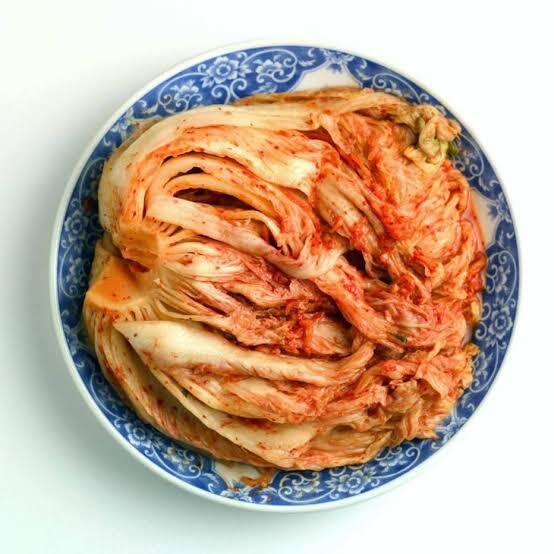
Kimchi (김치) is far more than just a side dish—it is the quintessential pillar of Korean culinary culture. At its core, kimchi is a traditional fermented side dish made with vegetables—most commonly napa cabbage or Korean radish—seasoned with a rich paste of chili powder (gochugaru), garlic, ginger, scallions, and salted seafood.
Historically, kimchi originated as a essential method for preserving fresh vegetables through the harsh winter months. Over centuries, it evolved into a deeply cherished staple present at virtually every Korean meal. Kimchi grew to worldwide popularity not only for its distinct, complex combination of spicy, tangy, and savory flavors, but also for its remarkable health benefits. Rich in probiotics, vitamins, and antioxidants, kimchi is celebrated globally as one of the world’s ultimate superfoods.
Difficulty Rating: 3 / 5
(Requires a bit of patience for the salting and fermentation process, but the step-by-step assembly is simple!)
Ingredients
For Brining the Cabbage:
- 1 large Napa Cabbage (about 3 to 4 lbs)
- ½ cup coarse sea salt or kosher salt
- Cold water
For the Porridge Base:
- 1 cup water
- 1 tbsp glutinous rice flour (sweet rice flour)
- 1 tbsp brown sugar
For the Kimchi Paste:
- ½ cup Korean chili flakes (Gochugaru) — adjust to desired spice level
- ¼ cup fish sauce
- 2 tbsp salted fermented shrimp (saeujeot), finely chopped (optional, or sub with extra fish sauce/soy sauce)
- 1 small onion, minced or blended
- 6–8 cloves garlic, minced
- 1 tsp fresh ginger, grated
- 5–6 green onions (scallions), cut diagonally into 2-inch pieces
- 1 cup Korean radish (or daikon), julienned
- ½ cup carrot, julienned
Step-by-Step Preparation Method
Step 1: Prep and Salt the Cabbage
- Slice the napa cabbage lengthwise into quarters. Wash thoroughly under cold water.
- Sprinkle salt evenly between every leaf, ensuring the thicker stems receive a generous coat.
- Place the salted quarters in a large bowl and let them rest for about 1.5 to 2 hours. Turn the cabbage quarters over every 30 minutes to ensure even soaking. The cabbage is ready when the thick white stems bend easily without snapping.
- Rinse the cabbage quarters 3 to 4 times under cold water to remove excess salt, then thoroughly drain in a colander for 30 minutes.
Step 2: Make the Porridge Base
- In a small saucepan, combine 1 cup of water and 1 tablespoon of glutinous rice flour. Whisk well.
- Cook over medium heat, stirring continuously until it starts to bubble and thickens into a translucent paste (about 5 minutes).
- Stir in the brown sugar, cook for 1 more minute, remove from heat, and let it cool down completely.
Step 3: Mix the Seasoning Paste
- In a large mixing bowl, combine the cooled rice paste, gochugaru, fish sauce, salted fermented shrimp, minced onion, garlic, and ginger. Mix until well blended.
- Add the julienned radish, carrots, and green onions to the paste. Toss gently until all vegetables are evenly coated.
Step 4: Coat the Cabbage
- Wearing food-safe gloves, take a cabbage quarter and spread the kimchi paste thoroughly over every single leaf, starting from the outermost leaf down to the core.
- Fold the cabbage quarter in half onto itself and wrap the outer leaf around the bundle to hold it tightly together.
Step 5: Pack and Ferment
- Pack the seasoned cabbage tightly into a clean, airtight glass jar or kimchi container. Press down firmly to minimize air pockets and submerge the vegetables under their liquid. Leave about 1 to 2 inches of space at the top.
- Keep the jar at room temperature away from direct sunlight for 24 to 48 hours to initiate fermentation.
- When you see small bubbles forming inside the jar and smell a pleasantly tangy aroma, transfer the jar to the refrigerator.
Chef’s Tips for Success
- Use the Right Salt: Avoid iodized table salt, as it can hinder the natural fermentation process and make the cabbage soggy. Coarse sea salt or kosher salt is best.
- Control the Spice: Korean chili powder (gochugaru) has a distinct smoky, slightly sweet heat. Do not substitute it with standard chili powder or cayenne, as they will alter the flavor profile significantly.
- Burp the Jar: During the first couple of days at room temperature, open the jar lid briefly once a day to release built-up gas.
- Patience Pays Off: While you can eat kimchi immediately after making it, the flavor develops its characteristic complex sourness after 1 to 2 weeks of cold refrigeration.
What Do You Think?
Have you ever tried making Kimchi at home, or are you planning to give this authentic recipe a try for the first time? What is your favorite way to enjoy kimchi—freshly made, aged in a stew, or in kimchi fried rice?
Drop a comment down below and let us know your thoughts, tips, or questions! We’d love to hear from you!