
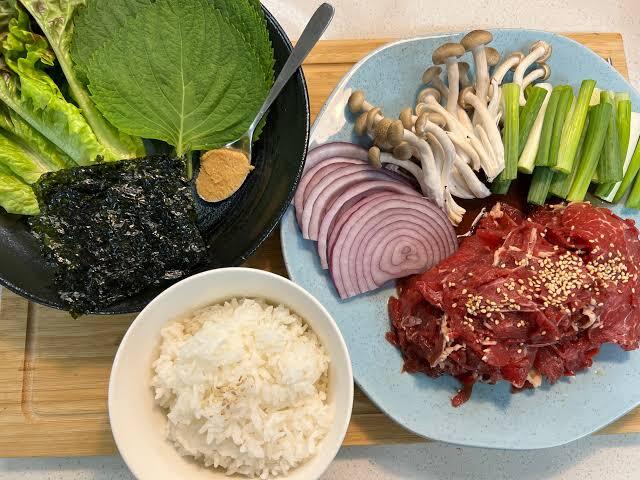
Discover the History Behind Korea’s Sweet and Savory Beef BBQ and How to Make It Perfectly at Home
Bulgogi (불고기) is arguably one of South Korea’s most iconic and internationally celebrated meat dishes. The word “bulgogi” translates directly to “fire meat” (“bul” meaning fire and “gogi” meaning meat), referring to the traditional method of grilling thinly sliced beef over an open charcoal fire. The dish features tender, paper-thin slices of beef marinated in a rich blend of soy sauce, sesame oil, garlic, sugar, and Asian pear—which acts as a natural tenderizer and adds a subtle fruit sweetness.
Historically, bulgogi traces back to the Goguryeo period (37 BCE–668 CE), where it originated as maekjeok, a skewer-grilled marinated meat. Over the centuries, it refined into neobiani, a luxurious royal court delicacy served exclusively to Korean kings during the Joseon Dynasty. Today, bulgogi has become a beloved everyday comfort food and a central highlight of Korean barbecue culture worldwide, adored for its incredibly tender texture and mouthwatering sweet-and-savory flavor profile.
Difficulty Rating: 2 / 5
(The marinating and cooking process is very simple and fast; the key is slicing the meat thinly or buying pre-sliced beef!)
Ingredients
For the Beef:
- 1.5 lbs (700g) ribeye, tenderloin, or top sirloin (thinly sliced)
- 1 small yellow onion, thinly sliced
- 3 green onions (scallions), cut into 2-inch pieces
- 1 medium carrot, julienned (optional)
For the Bulgogi Marinade:
- ½ cup soy sauce
- ¼ cup Asian pear, grated (or grated bosc pear/sweet apple)
- 3 tbsp brown sugar (or honey)
- 2 tbsp sesame oil
- 4 cloves garlic, minced
- 1 tsp fresh ginger, grated
- 2 tbsp green onion, finely chopped
- ½ tsp black pepper
- 1 tbsp toasted sesame seeds
For Serving:
- Cooked short-grain white rice
- Fresh lettuce leaves (such as red leaf or butter lettuce) for wraps (ssam)
- Ssamjang (Korean seasoned soybean paste)
Step-by-Step Preparation Method
Step 1: Slice and Prep the Beef
- To easily slice the beef paper-thin, freeze the meat for 30 to 45 minutes until firm but not rock-hard.
- Slice thinly across the grain into bite-sized pieces. (Alternatively, purchase pre-sliced Korean BBQ beef at your local Asian market).
Step 2: Make the Marinade
- In a large bowl or blender, combine grated Asian pear, minced garlic, ginger, soy sauce, brown sugar, sesame oil, black pepper, finely chopped green onions, and toasted sesame seeds. Whisk well until the sugar dissolves.
Step 3: Marinate the Beef and Vegetables
- Add the thinly sliced beef, sliced yellow onion, cut green onions, and julienned carrot to the bowl with the marinade.
- Mix well using your hands (gloves recommended) to ensure every slice of meat is thoroughly coated.
- Cover and refrigerate for at least 30 minutes (preferably 2 to 4 hours for maximum flavor and tenderness).
Step 4: Cook the Bulgogi
- Heat a large skillet, cast-iron pan, or grill pan over high heat until smoking hot. Add 1 tablespoon of cooking oil.
- Add the marinated beef and vegetables in a single layer (cook in batches if your pan is small to prevent overcrowding).
- Cook quickly over high heat for 3 to 5 minutes, flipping continuously, until the meat is fully cooked and slightly caramelized on the edges.
Step 5: Garnish and Serve
- Transfer to a serving platter and garnish with extra toasted sesame seeds and chopped scallions.
- Serve hot alongside warm steamed rice and fresh lettuce leaves for making Korean lettuce wraps (ssam).
Chef’s Tips for Success
- Don’t Skip the Pear: Grated Asian pear contains natural enzymes that tenderize the muscle fibers of the beef quickly while delivering authentic sweetness. If unavailable, grated bosc pear or sweet apple works as a great substitute!
- High Heat is Essential: Cook the beef rapidly on high heat to get a nice brown sear and smoky flavor rather than boiling the meat in its juices.
- Master the Ssam: Take a leaf of lettuce, lay down a spoonful of rice, add a slice of bulgogi, top with a dab of ssamjang, fold it into a wrap, and eat it in one single bite!
What Do You Think?
Have you ever tried making Korean BBQ at home, and do you prefer your Bulgogi served over a bowl of rice or wrapped in fresh lettuce leaves?
Drop a comment down below and let us know your favorite way to enjoy Bulgogi! We’d love to hear from you!