
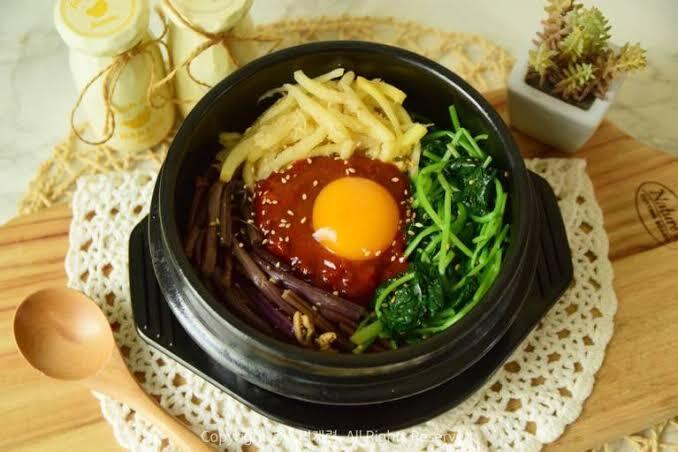
Learn the History of Korea’s Most Famous Mixed Rice Dish and How to Make an Authentic Bowl at Home
Bibimbap (비빔밥) is widely recognized as one of South Korea’s most iconic and beloved dishes. The word “bibim” means “mixing” and “bap” translates to “cooked rice,” making bibimbap literally mean “mixed rice.” It consists of a warm bowl of white rice topped with a colorful array of sautéed and seasoned vegetables (namul), marinated beef, a fried or raw egg, and a generous spoonful of savory, spicy gochujang (Korean chili paste) sauce.
Historically, bibimbap has deep roots in Korean farm culture and traditional holiday customs. It was commonly eaten on the eve of the Lunar New Year as a way to use up leftover side dishes before entering the new year. It also served as a convenient, nutrient-dense meal for farmers working in the fields. Bibimbap became globally popular due to its vibrant visual appeal, perfectly balanced nutrition, and the fun, interactive ritual of mixing all the ingredients together right before taking a bite.
Difficulty Rating: 2 / 5
(Prepping and sautéing individual vegetable toppings takes a few extra steps, but the assembly and cooking techniques are straightforward and beginner-friendly!)
Ingredients
For the Beef Marinate:
- ½ lb (220g) beef loin, rump, or ribeye, thinly sliced into strips
- 1 tbsp soy sauce
- 1 tbsp sesame oil
- 1 tsp sugar
- 1 clove garlic, minced
For the Vegetables & Toppings:
- 4 cups cooked short-grain white rice (warm)
- 1 cup soybean sprouts (or mung bean sprouts)
- 1 bunch spinach
- 1 medium carrot, julienned
- 1 medium zucchini, julienned
- 4 shiitake mushrooms, thinly sliced
- 4 eggs
- Vegetable oil for sautéing
- Salt and sesame oil for seasoning
- Toasted sesame seeds for garnish
For the Bibimbap Sauce:
- 2 tbsp Korean chili paste (Gochujang)
- 1 tbsp sesame oil
- 1 tbsp sugar (or honey)
- 1 tbsp water
- 1 tbsp toasted sesame seeds
- 1 tsp apple cider vinegar (optional, for brightness)
Step-by-Step Preparation Method
Step 1: Marinate and Cook the Beef
- In a bowl, combine the thinly sliced beef with soy sauce, sesame oil, sugar, and minced garlic. Mix well and let it marinate for 15 minutes.
- Heat a skillet over medium-high heat with 1 teaspoon of oil. Cook the beef for 3 to 5 minutes until fully cooked through and browned. Set aside.
Step 2: Prepare the Vegetables (Namul)
Note: Sauté each vegetable separately to preserve their individual flavors and colors.
- Soybean Sprouts: Blanch in boiling salted water for 2 minutes. Drain, rinse under cold water, squeeze out excess moisture, and toss with ½ tsp of sesame oil and a pinch of salt.
- Spinach: Blanch in boiling water for 30 seconds. Drain immediately, plunge into ice water, squeeze out liquid, and season with ½ tsp of sesame oil, minced garlic, and a pinch of salt.
- Carrots: Heat 1 tsp of oil in a pan and sauté julienned carrots for 1 to 2 minutes until slightly tender. Season with a pinch of salt.
- Zucchini: Sauté julienned zucchini with 1 tsp of oil for 2 minutes until bright green and cooked through. Season with a pinch of salt.
- Shiitake Mushrooms: Sauté sliced mushrooms in 1 tsp of oil with 1 tsp of soy sauce for 2 to 3 minutes until softened.
Step 3: Make the Bibimbap Sauce
- In a small bowl, whisk together the gochujang, sesame oil, sugar, water, toasted sesame seeds, and apple cider vinegar until smooth and glossy.
Step 4: Fry the Eggs
- Heat a little oil in a pan over medium heat and fry the eggs sunny-side up (leaving the yolk runny is key for mixing!).
Step 5: Assemble the Bowl
- Scoop 1 cup of warm cooked rice into the center of a serving bowl.
- Arrange the prepared vegetables and cooked beef neatly in separate sections on top of the rice in a colorful circle.
- Place a sunny-side-up egg directly in the center.
- Drizzle a generous tablespoon of the Bibimbap sauce over top and sprinkle with toasted sesame seeds.
Chef’s Tips for Success
- Try Dolsot Bibimbap: If you have a Korean stone pot (dolsot), coat the inside with sesame oil, add cooked rice, arrange toppings, and heat on the stovetop for 5 to 7 minutes until the bottom layer of rice becomes crispy and golden (nurungji).
- Don’t Skip the Runny Yolk: A sunny-side-up egg with a runny yolk creates a rich, creamy texture when mixed into the rice along with the gochujang sauce.
- Customize Your Toppings: Bibimbap is extremely versatile. Feel free to swap or add other vegetables like cucumber, fern bracken (gosari), or radish kimchi.
What Do You Think?
Which toppings are a must-have in your dream Bibimbap bowl, and do you prefer yours served classic or in a sizzling hot stone pot?
Leave a comment below to share your thoughts or recipe variations! We’d love to read your feedback!